
 RU
RU  LV
LV  EN
EN The history of the linen napkin is a chronicle of civilization and the evolution of etiquette. In Ancient Egypt, linen was hailed as the "cloth of the gods" and "light of the moon" for its purity and luster. However, the prototype of the modern napkin as we know it is linked to Leonardo da Vinci. Before the 15th century, guests often wiped their hands on the tablecloth or even on their neighbor's clothing. It was Leonardo, as the master of court banquets in Milan, who proposed using individual cloths for each guest. He wrote in his notes that "a napkin should serve to decorate the table and keep the hands clean," though his contemporaries initially didn't understand why they should "ruin" beautiful fabrics with food scraps.
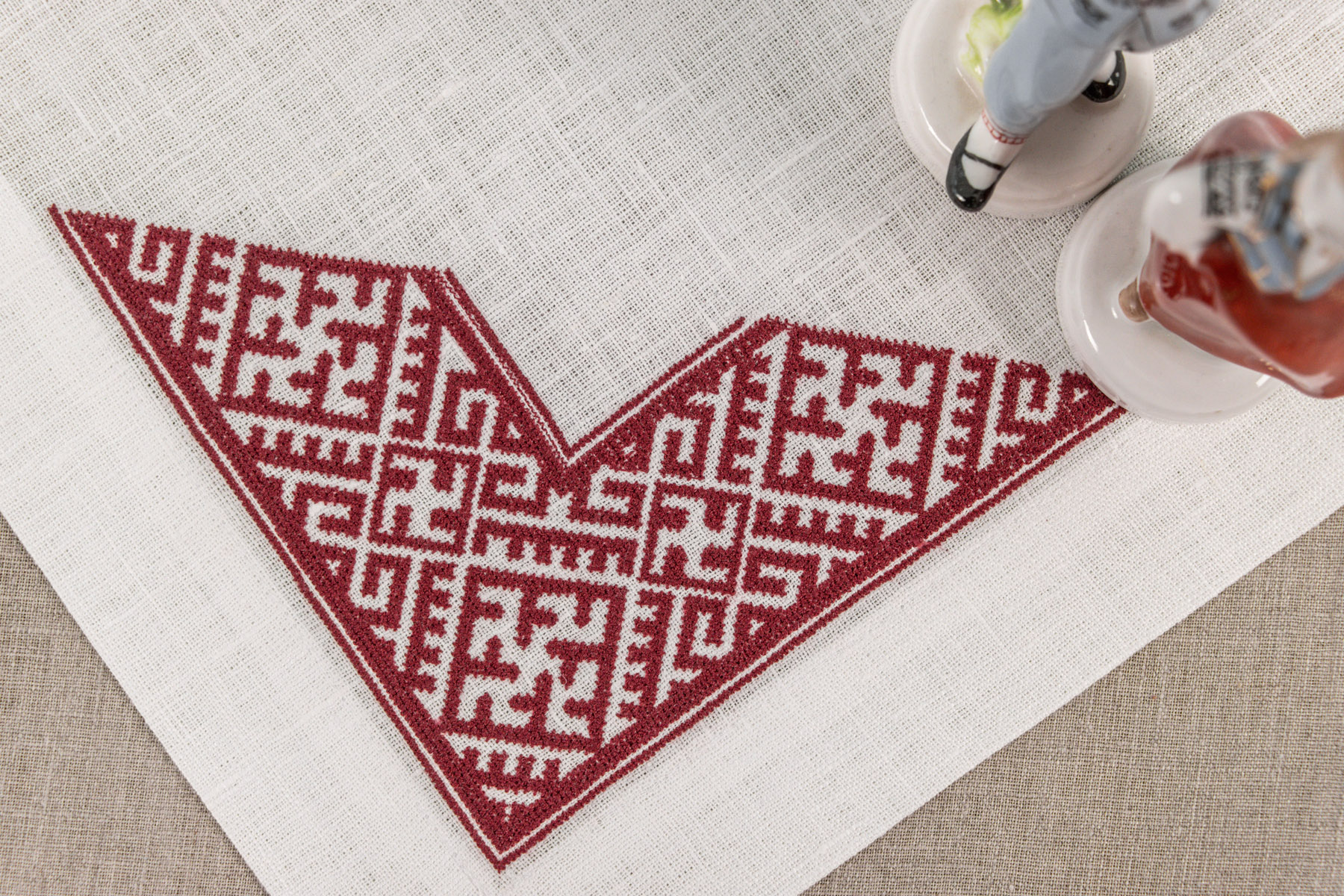
During the Baroque and Rococo eras, napkins became true status symbols. In 17th-century France, there were over 50 ways to fold napkins, depicting birds, fish, or mythical creatures. The higher the guest's status, the more complex the figure on their plate. Today, in a world oversaturated with plastic and disposables, returning to reusable linen is not just a nod to tradition but a conscious manifesto against "fast fashion." By choosing linen, you are continuing a tradition thousands of years old, bringing a piece of historical nobility into your home.
Secrets to Your Heirloom’s Longevity
Avoid Chemicals: Never use chlorine-based bleaches on linen. They destroy the fiber structure, making it brittle.
Eco-Fact: Linen production requires 20 times less water and fertilizer than cotton. Your napkin is a tangible contribution to the planet's ecology.
Antibacterial Protection: Linen is a natural antiseptic. This makes it the best choice for families with small children.