
 RU
RU  LV
LV  EN
EN Selecting linen napkins is an investment in your home’s aesthetic that demands an eye for detail. The first thing to consider is the fabric weight, measured in GSM (grams per square meter). For casual breakfasts and brunches, medium-weight linen (160–180 g/m²) is ideal; it offers a soft drape and a pleasant tactile feel. For formal dinners and high-status events, I recommend heavy linen (220–250 g/m²). These napkins look monumental and allow you to create complex, sculptural forms when folded. Pay close attention to the edge: classic mitered corners or elegant hemstitching underscore the premium quality, while delicate fringing adds a touch of trendy boho-chic.
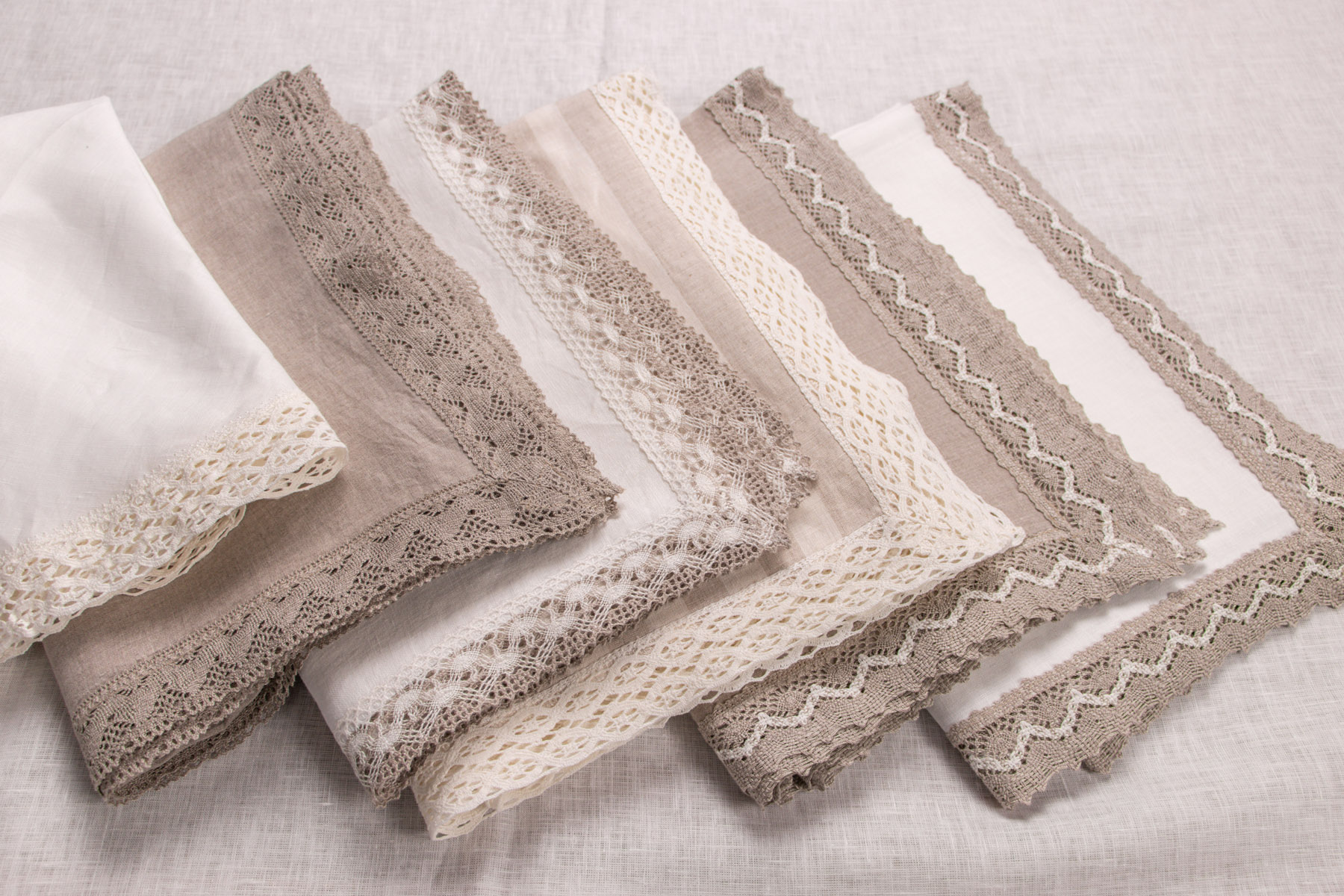
Size also matters. Cocktail napkins (20x20 cm) are essential for drinks and hors d'oeuvres, while the standard for a full dinner is a 45x45 cm or 50x50 cm square. If you value modern comfort, choose "stonewashed" linen. Thanks to enzyme treatment, it has already been pre-shrunk, made incredibly soft, and acquired a noble "lived-in" texture that saves you from the chore of tedious ironing. Remember, high-quality linen shouldn’t be perfectly smooth—its vibrant, irregular texture is the primary hallmark of authenticity.
Professional Expert Tips
Temperature Control: Always iron linen while it is still slightly damp. This allows you to achieve perfect smoothness with minimal effort.
Authenticity Check: Do not be alarmed by small knots in the fabric (slubs). These are not defects, but rather a hallmark of natural fibers and high-quality spinning.
Shrinkage: If you choose classic linen (not stonewashed), allow for 5–7% shrinkage after the first wash.
The Light Test: A high-quality napkin should not be "see-through." A dense weave is a guarantee that the product will last for decades.