
 RU
RU  LV
LV  EN
EN In professional textile design, the napkin is considered the "focal point" of the table. It is the easiest and most effective way to instantly change the atmosphere of an interior. To create a minimalist look, use napkins in the same tone as the tablecloth, playing only with texture differences. If you want to add dynamism, use the principle of contrast: deep graphite or terracotta on a light linen background looks architectural and modern. Don't be afraid to mix materials: a linen napkin paired with a raw wooden ring, a sprig of rosemary, or even tied with a simple jute twine creates a sense of "organic chic."
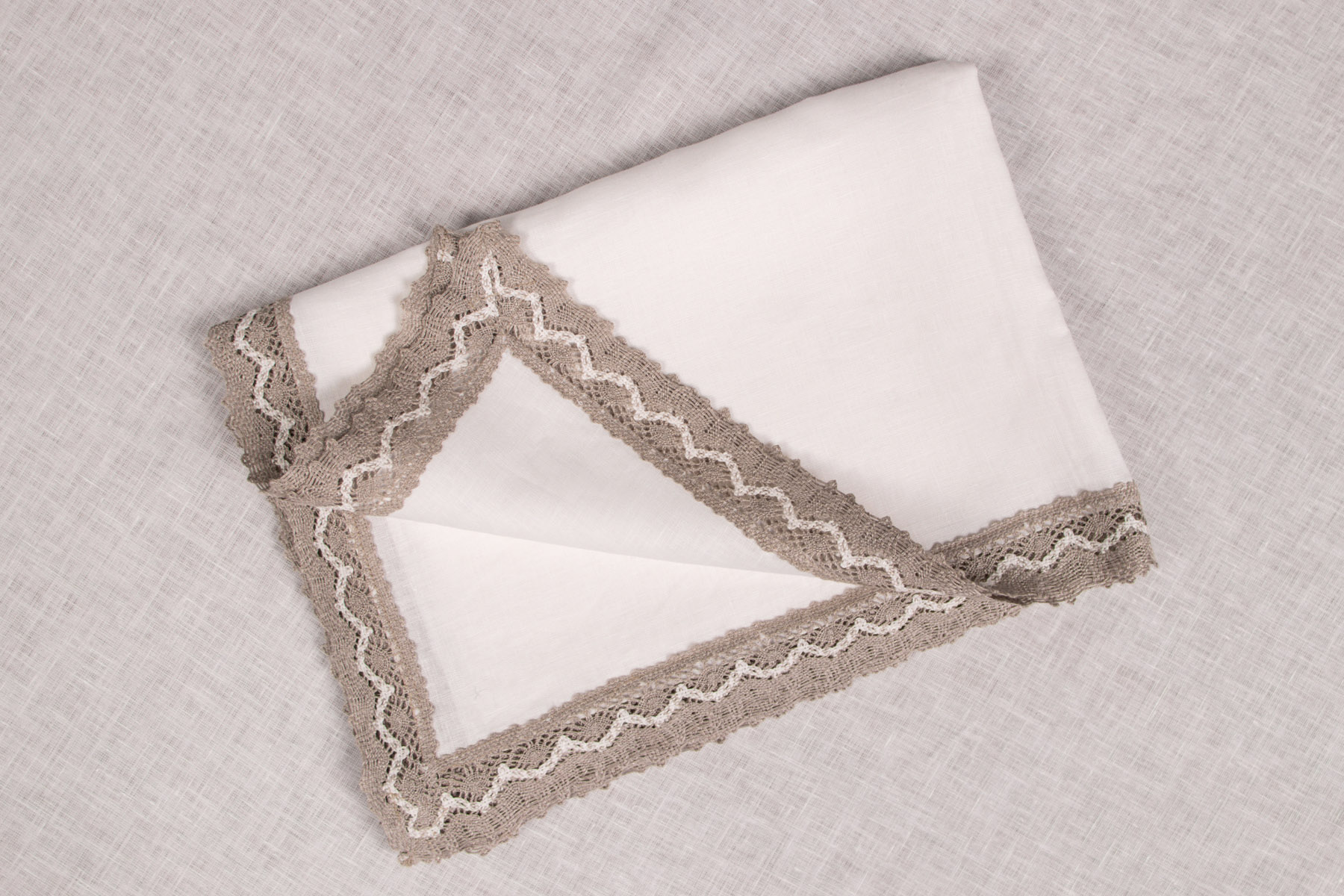
Modern etiquette permits and even encourages a certain nonchalance. Instead of starched "cones," try a relaxed arrangement: simply fold the napkin into quarters and toss it casually onto the plate, or pull it through a ring, letting the fabric fall gracefully. Linen is a living material with a "memory"—it holds volume exceptionally well. For summer settings, try cool shades (dusty rose, lavender) that visually refresh the table, while in winter, opt for warm, saturated colors. Remember that tablescaping is a form of everyday art where the napkin serves as your canvas.
Professional Decorator’s Touches
Proper Storage: Store napkins rolled rather than stacked. This prevents deep permanent creases in the fabric.
Stain Magic: If wine or sauce hits the napkin, immediately pour carbonated water over the stain—the gas bubbles will lift the dirt out of the porous linen fibers.
Texture Play: Combine linen napkins with raw ceramic or wooden tableware. The contrast between delicate linen and rugged materials is currently at the height of fashion.
Natural Chic: If the napkin is made of stonewashed linen, don't iron it at all. A light wrinkle gives the table a vibrant, lived-in look.
Естественный шик: Если салфетка из «вареного» льна, вообще не гладьте её. Лёгкая помятость придает столу живой, обжитой вид.